
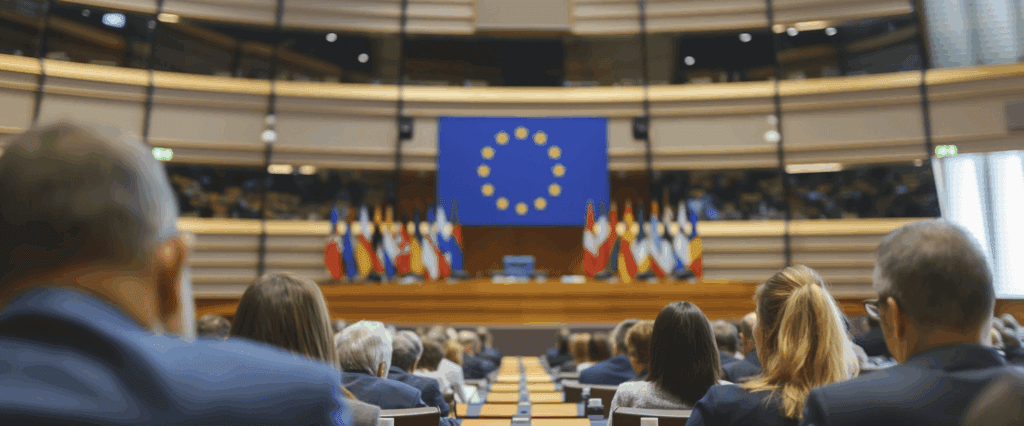
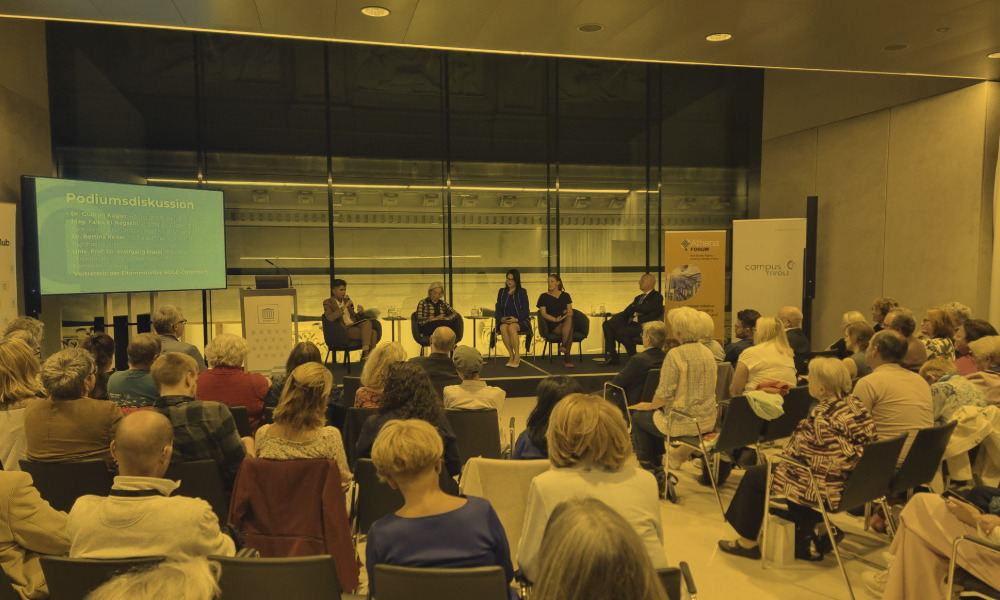
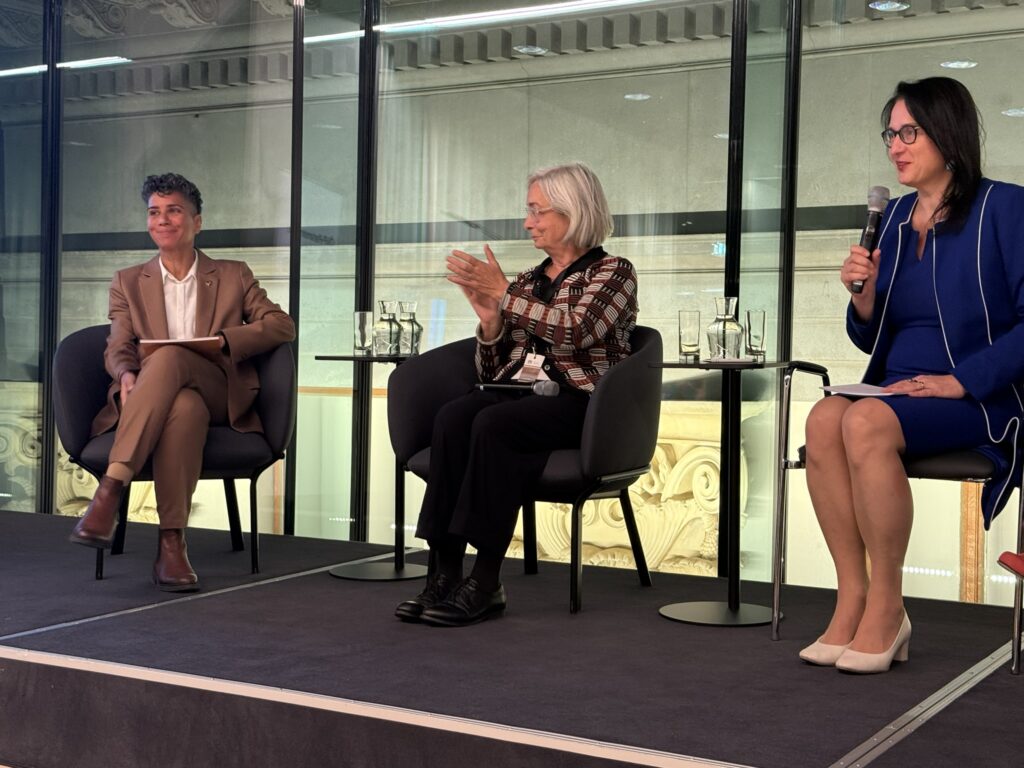
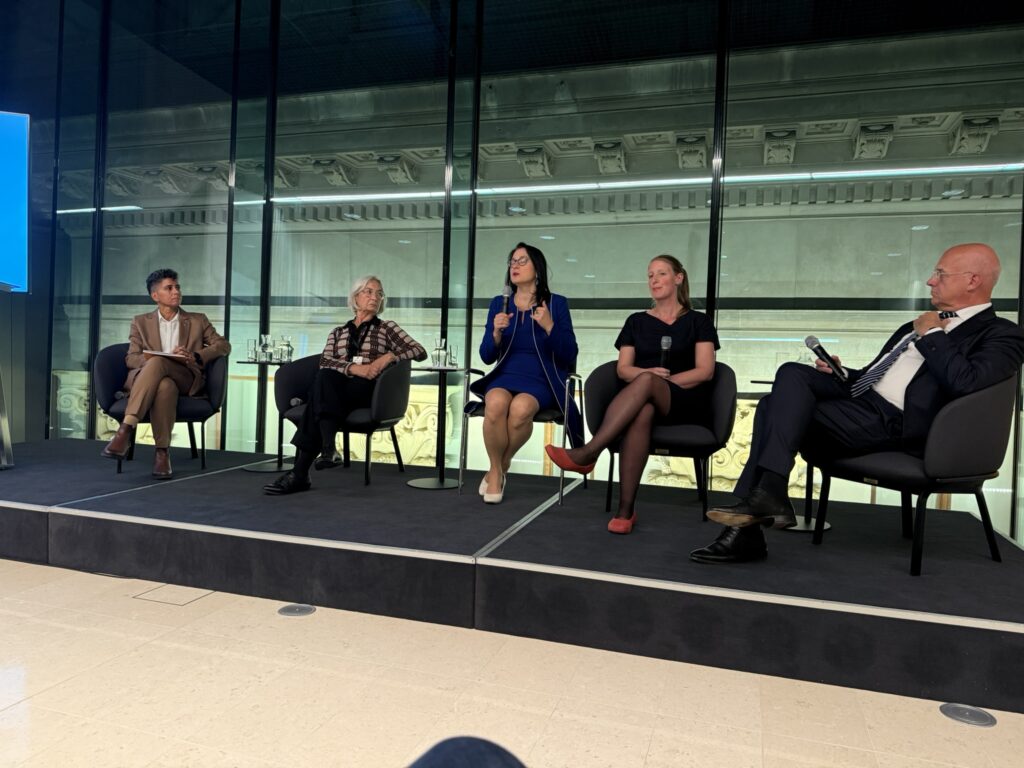
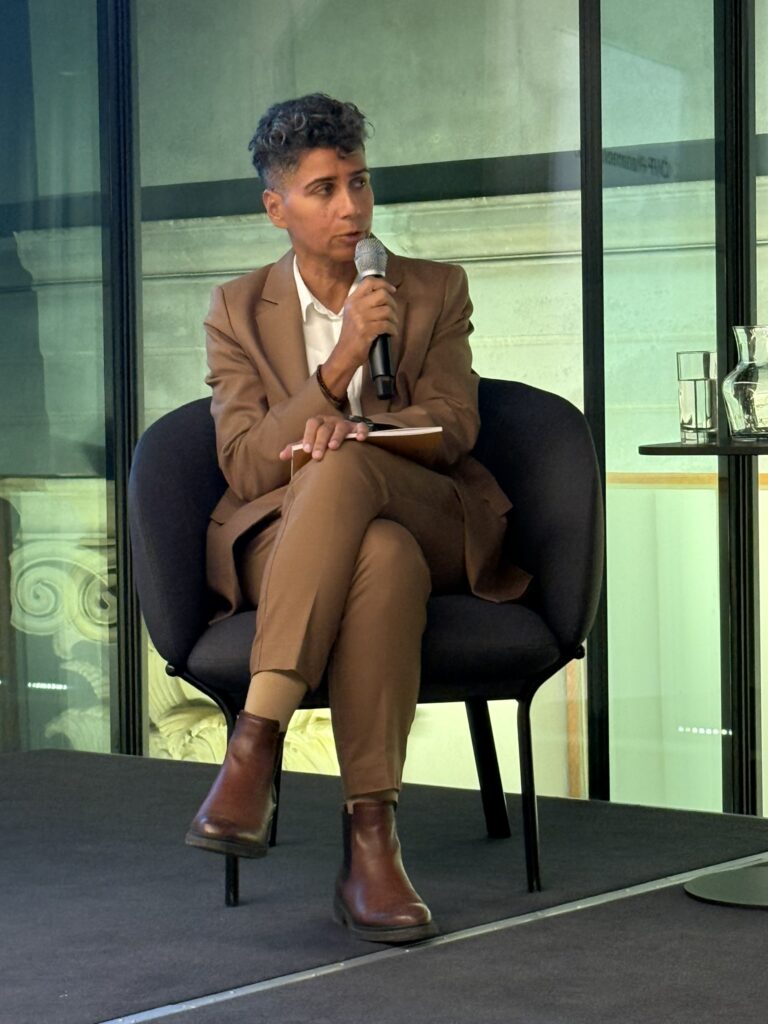
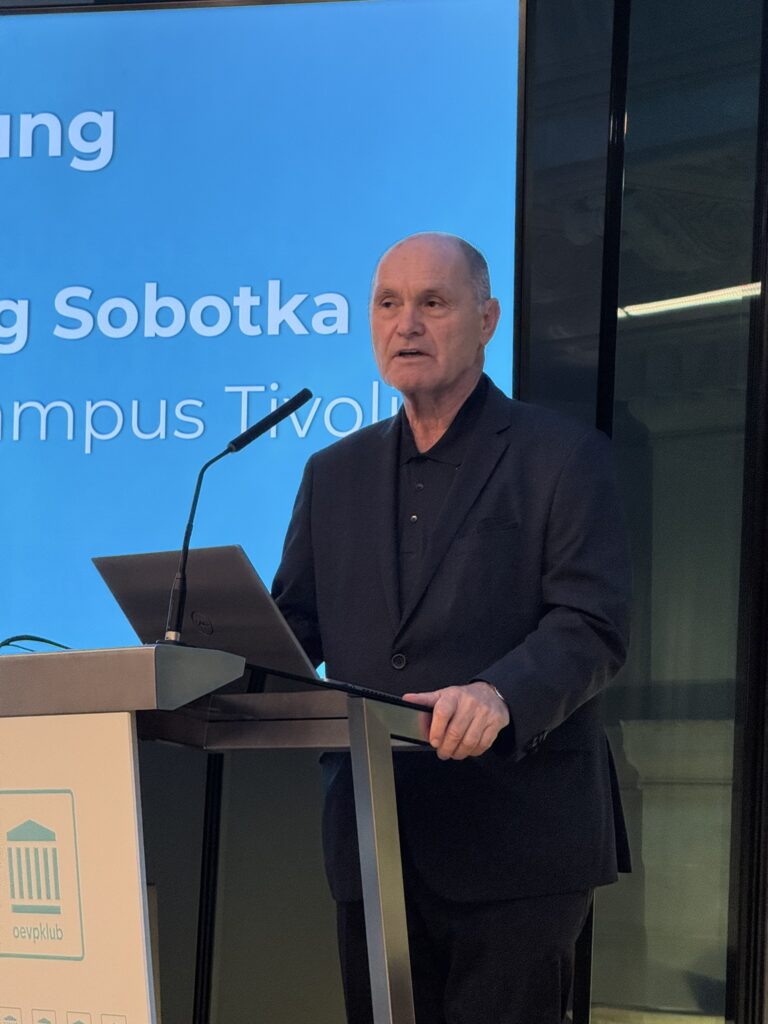
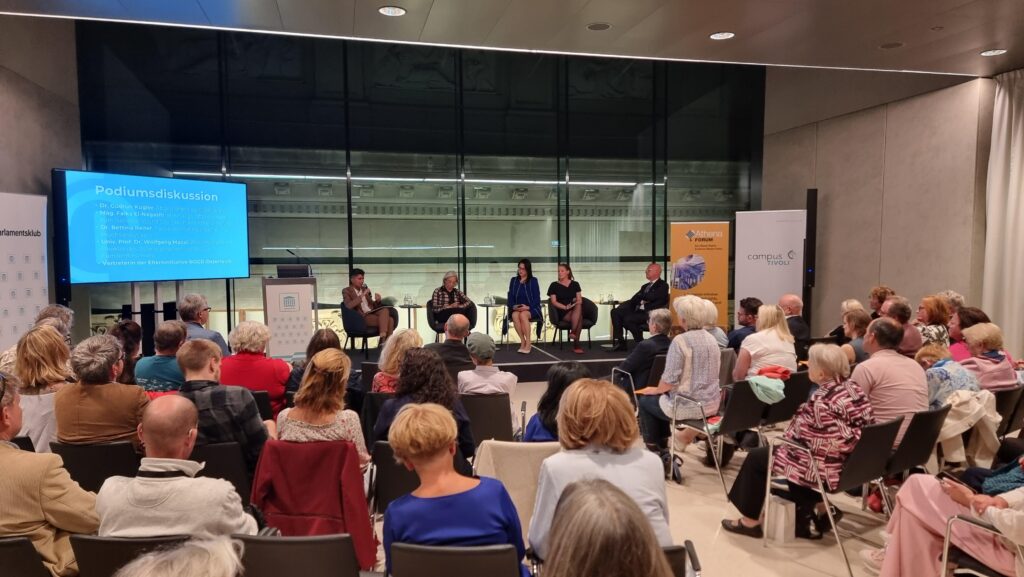
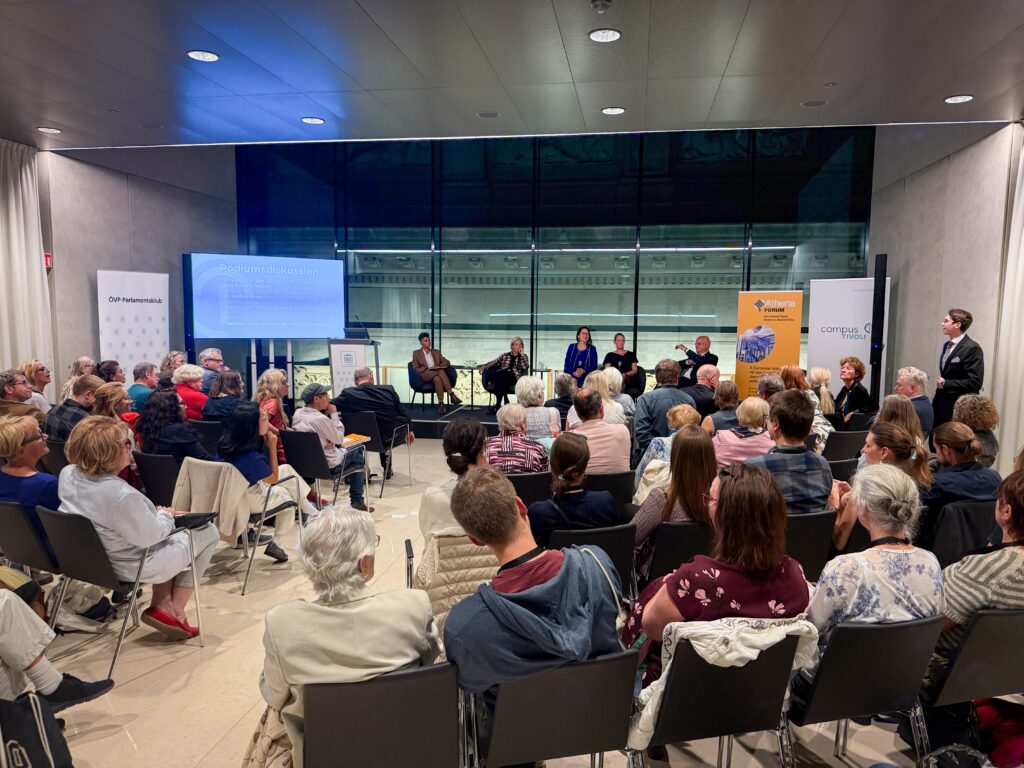
On 1 October, a historic event took place in the Austrian Parliament, with every seat filled: an open, factual and critical discussion on gender identity. The event was organised by Athena Forum, in collaboration with the parliamentary group of Austria’s conservative party ÖVP and Campus Tivoli, the party’s political academy.
Our thanks go to everyone involved, to all those who attended and especially to our panellists.
Our expert network member, psychiatrist and psychoanalyst Dr Bettina Reiter, stressed the importance of listening to and supporting young people experiencing gender dysphoria rather than rushing to affirm their feelings. She highlighted the prevalence of co-occurring mental health difficulties and criticised the lack of open-ended counselling.
A powerful and deeply moving contribution came from the representative of the parent group ROGD Austria, who described her own experiences with schools, social workers, child and youth welfare services and the family court in Vienna, which ultimately led to her losing custody of her teenage daughter after opposing medical transition because she could not pretend that the girl was a boy. Her account underscored the importance of listening to parents and safeguarding children and young people.
And, finally, our director Faika warned of the wider implications of three legislative initiatives being pursued across Europe: self-identification laws, bans on so-called conversion practices based on gender identity, and increasingly restrictive hate speech legislation, with serious implications for sex-based rights, parental rights and freedom of expression.
We hope that this event will have an impact far beyond Austria and that the voices which have so far been pushed out of this debate will finally be heard at the political level.
You can read a detailed report on the event and a reflection on the discussion by MP Gudrun Kugler, both in German. Below you will find the full transcript and English translation of the remarkable video message from Austria’s Minister for Family, Claudia Bauer.
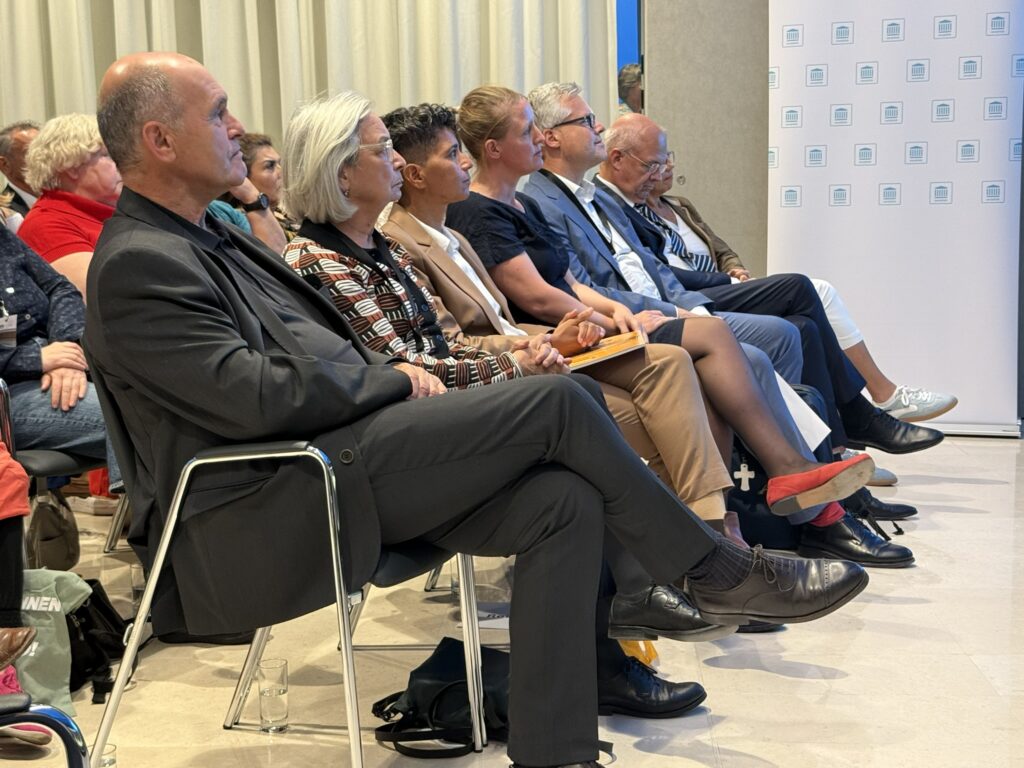
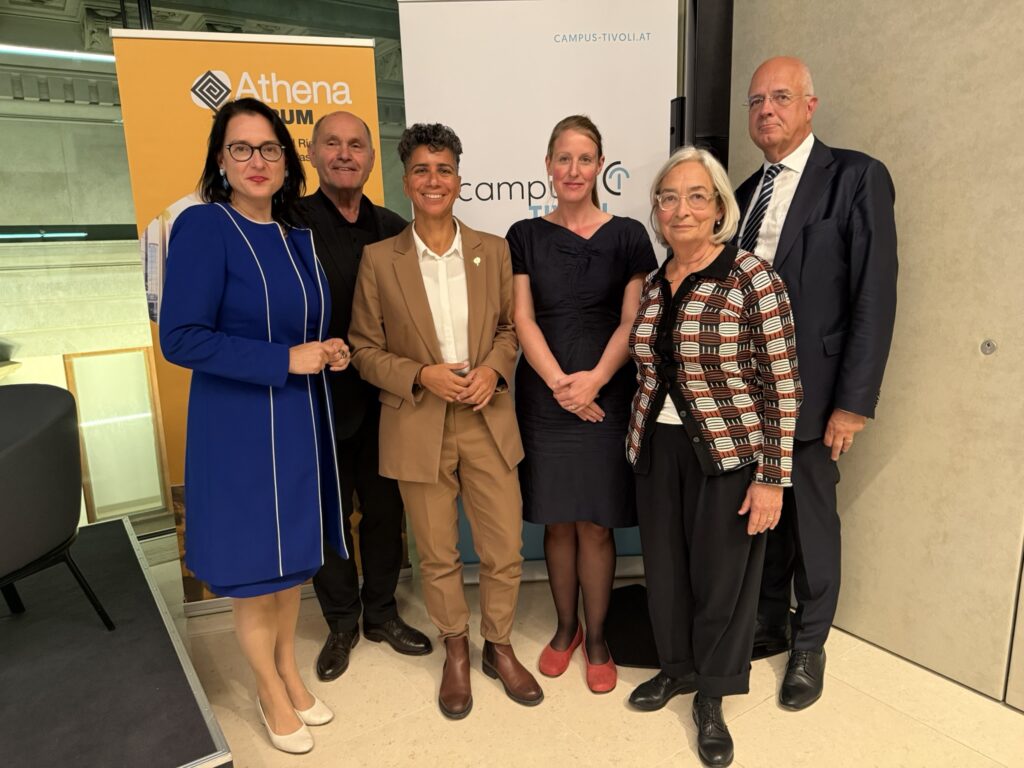
Here are some impressions from the event:
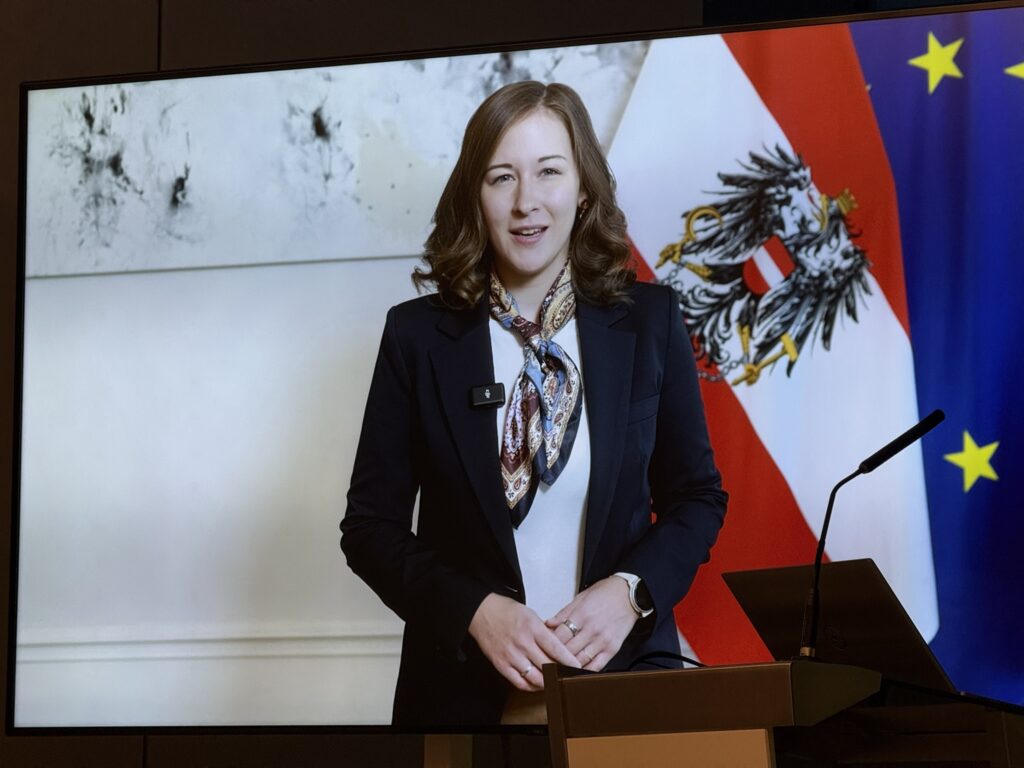
Transcript and English translation of the video message from Austria’s Minister for Family, Claudia Bauer:
“Dear ladies and gentlemen, this evening is attempting something that has become rare nowadays: namely, to speak about a topic where even simple questions are considered taboo. What’s it about?
Questions of sex and gender identity are clearly no longer fringe issues today. They touch on the protection of children and young people, they touch on women’s rights, and they touch on the freedom to speak openly and name truths. For me, three things apply here.
First: The dignity of every human being is not up for debate. Not with us. People who struggle with their sex and identity exist. They always have. But someone wrestling with their identity needs someone who listens and provides support. And they need someone who answers questions and asks questions. What they don’t need is someone who fuels that uncertainty even more and pushes them in a certain direction.
Second: Children and young people need special protection, especially in phases of uncertainty. Puberty is one such phase of uncertainty. It was for every one of us. What children and young people need then is time and guidance—from friends, from teachers, from parents. And yes, sometimes that can also be professional guidance. But that only works if parents are included and not bypassed. And if decisions are made, they must be based on scientific evidence, not on moods and certainly not on identity politics.
And third: We need a culture of debate that can handle this. Someone who asks questions is not automatically an opponent. Someone who demands rights is not automatically an ideologue. This applies especially where rights intersect, for example, women’s right to safe spaces—in sports, in school. Women have fought for and earned these safe spaces. We must be allowed to talk about them and defend them.
Some already see the questions being asked this evening as attacks. That is completely wrong. Respect is not agreement. Respect is not blind affirmation. And neither is disagreement contempt. Whoever cannot handle disagreement does not trust their own arguments.
And let me add one final point: More than half of young people no longer dare to openly address the topics that concern them. What does that say about our society, our democracy, our freedom of speech?
And in that spirit, I wish you an open, factual, and above all exciting discussion this evening.”